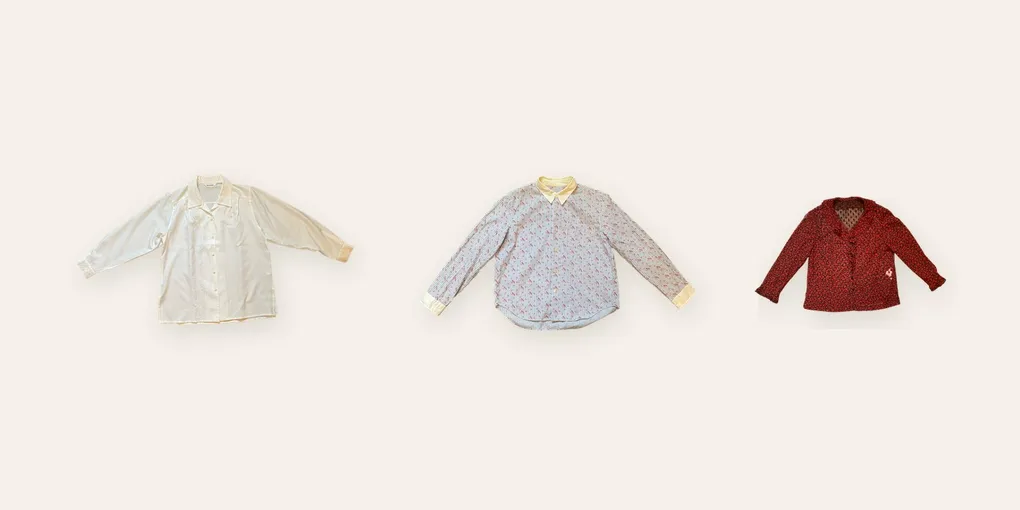
Muji Home and Wardrobe: One Consistent Aesthetic
Most people meet Muji through one product — a notebook, a set of acrylic drawers, a soft cotton tee — and only later notice that everything in the store seems to belong together. That coherence isn’t an accident of merchandising. It comes from a single design philosophy applied equally to a wool sweater and a kitchen container, and understanding it makes both your closet and your home easier to keep calm.
The Idea Behind “No Brand Quality Goods”
Muji’s name is short for Mujirushi Ryohin, which translates roughly to “no-brand quality goods.” The company was founded in Japan in 1980 as a reaction against loud, logo-driven consumer products, and the guiding principle was to strip a product back to what it actually needs to be. That means visible branding is removed, packaging is minimal, materials are left close to their natural color, and decoration is treated as something to justify rather than assume. Applied across a catalog of thousands of items, that single rule is what makes a Muji pen and a Muji cardigan feel like relatives.
Why the Color Palette Does So Much Work
The most immediately visible thread is color. Muji’s range stays largely within undyed and low-saturation tones — off-white, oatmeal, grey, navy, charcoal, soft black, with occasional muted earth shades. In the home, that means furniture and storage recede instead of competing. In clothing, it means almost any two Muji pieces will pair without effort, which is exactly the property you want when building a capsule wardrobe. The restraint isn’t about being plain; it’s about lowering the number of decisions each item forces on you.
Materials Chosen for How They Age
The second thread is material honesty. Muji leans heavily on cotton, linen, wool, plain wood, paper, and simple plastics, and tends to finish them lightly rather than coating or treating them into something they aren’t. Linen creases. Untreated wood picks up marks. Cotton softens with washing. Those are treated as features rather than flaws, which is a quietly sustainable position: a product designed to look acceptable as it ages is a product you’re less likely to replace. It’s the same instinct behind Japanese repair traditions, where wear is made visible instead of hidden.
Form Follows the Smallest Necessary Shape
Muji’s third consistency is proportion. Storage boxes are sized to stack and to fit standard shelving. Garments favor straight, gently boxy cuts rather than sharply fitted ones, which is why they work across a wider range of bodies and stay wearable as your shape changes. In both cases the shape is derived from function first, then simplified until nothing extra remains. This is the clearest difference you’ll notice if you’re weighing Muji against other everyday brands, as in the trade-offs between Muji and UNIQLO for daily basics.
Borrowing the Logic Without Buying the Catalog
You don’t need to furnish an entire apartment from one store to benefit from this. The transferable rules are simple: pick a narrow neutral palette and stay inside it, choose materials you’re happy to see age, favor shapes that stack or layer, and skip anything whose main feature is a logo. Applied to a closet, this produces the same effect as a well-chosen ten-piece minimalist wardrobe — fewer items, more combinations, less friction in the morning. Applied to a room, it produces surfaces that stay quiet.
One Aesthetic, Two Rooms
What makes Muji genuinely useful as a reference point is that the philosophy scales. The reasoning that makes a plain wooden shelf feel calm is the same reasoning that makes an undyed linen shirt easy to wear for a decade. If you’re drawn to that quality, you can adopt the thinking rather than the shopping list, and let it guide what you keep in every part of your home. More on that approach across the rest of our Muji and minimalist writing.
This post may contain affiliate links.