Muji vs UNIQLO: Which Should You Buy?
Muji and UNIQLO get grouped together constantly — both are Japanese, both lean minimalist, both are easy to find outside Japan. But they’re not interchangeable, and knowing where each one actually wins will save you money and closet space. This is the comparison we wish we’d had before buying the wrong things from each.
The Short Answer
UNIQLO is the better choice for technical basics — innerwear, outerwear, performance fabrics — and for clothing in general at scale. Muji is the better choice for understated, texture-forward pieces, loungewear, and almost everything outside of clothing: stationery, storage, skincare, and home goods. If you only remember one line: buy your function from UNIQLO and your texture from Muji.
Where UNIQLO Wins
Fabric technology. Heattech, AIRism, and Blocktech don’t really have a Muji equivalent. If you need a base layer that performs in cold or humid weather — and Japan’s climate makes that a real consideration — UNIQLO is the more reliable pick. AIRism in particular is the kind of quietly technical basic that earns its place all summer.
Fit consistency and sizing range. UNIQLO sells at a larger scale, which generally means a broader size range and more consistent fit across collections. A medium this season tends to fit like a medium next season — useful when you’re rebuying a staple you already know works.
Price-to-quality on plain basics. A UNIQLO t-shirt or pair of trousers tends to outlast its price point more reliably than comparable fast fashion, and often more reliably than Muji’s clothing line as well. For the pieces you’ll wear into the ground — tees, socks, simple trousers — this is where your money goes furthest. Our UNIQLO basics guide covers the specific pieces worth prioritizing.
Where Muji Wins
Texture and natural fabrics. Muji leans harder into linen, raw cotton, and undyed or naturally dyed fabrics, which gives pieces a softer, more “worn-in” look from the very first wear — closer to the texture of good secondhand clothing than to crisp new fast fashion.
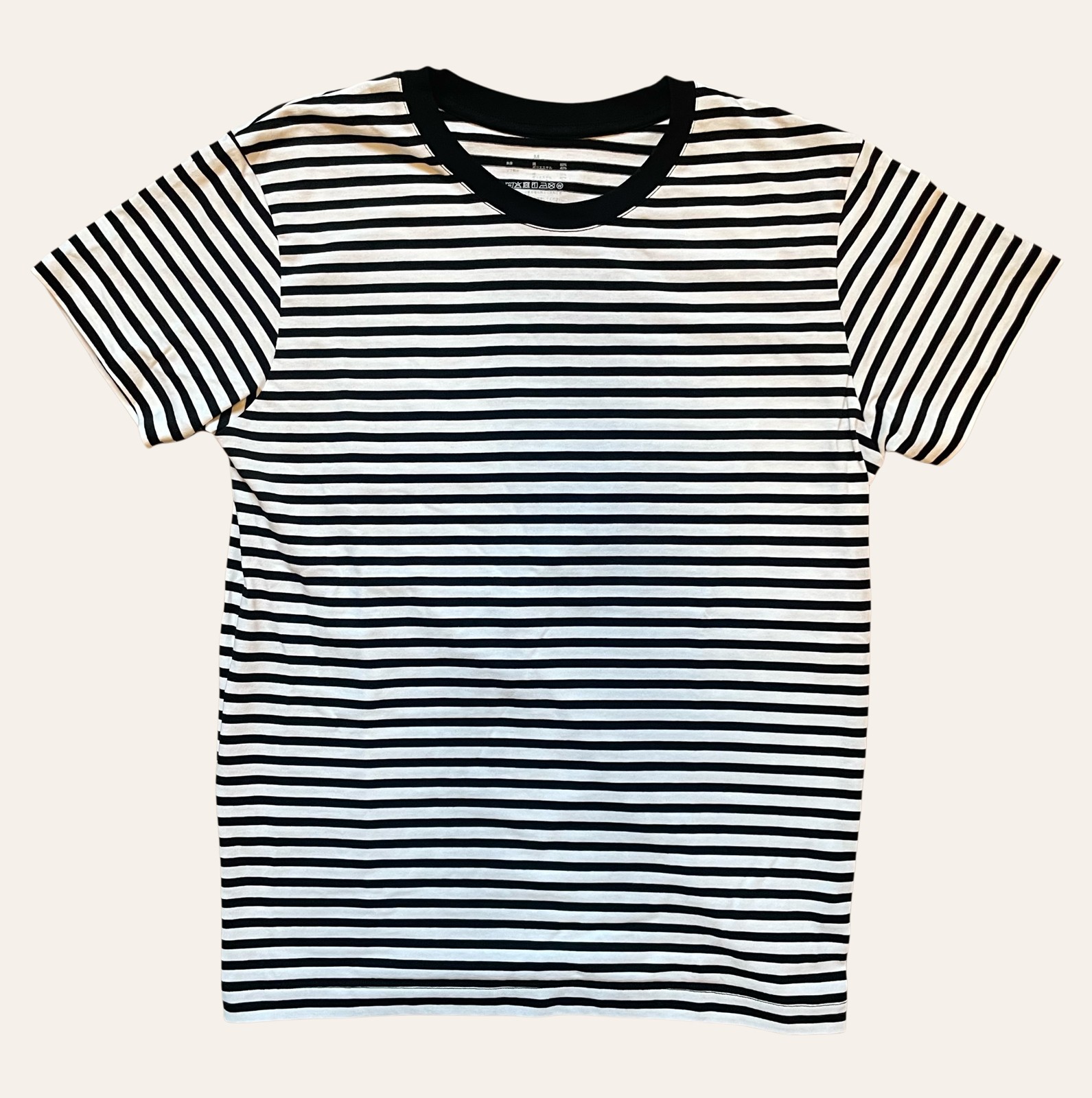 Muji’s strength is exactly this kind of unfussy, natural-fabric basic — plain, soft, and easy to layer without competing for attention.
Loungewear and sleepwear. This is arguably Muji’s strongest clothing category. The fabrics are simple, breathable, and not overdesigned, which is precisely what you want in the clothes you actually relax in. We go deeper on this in is Muji loungewear worth the hype.
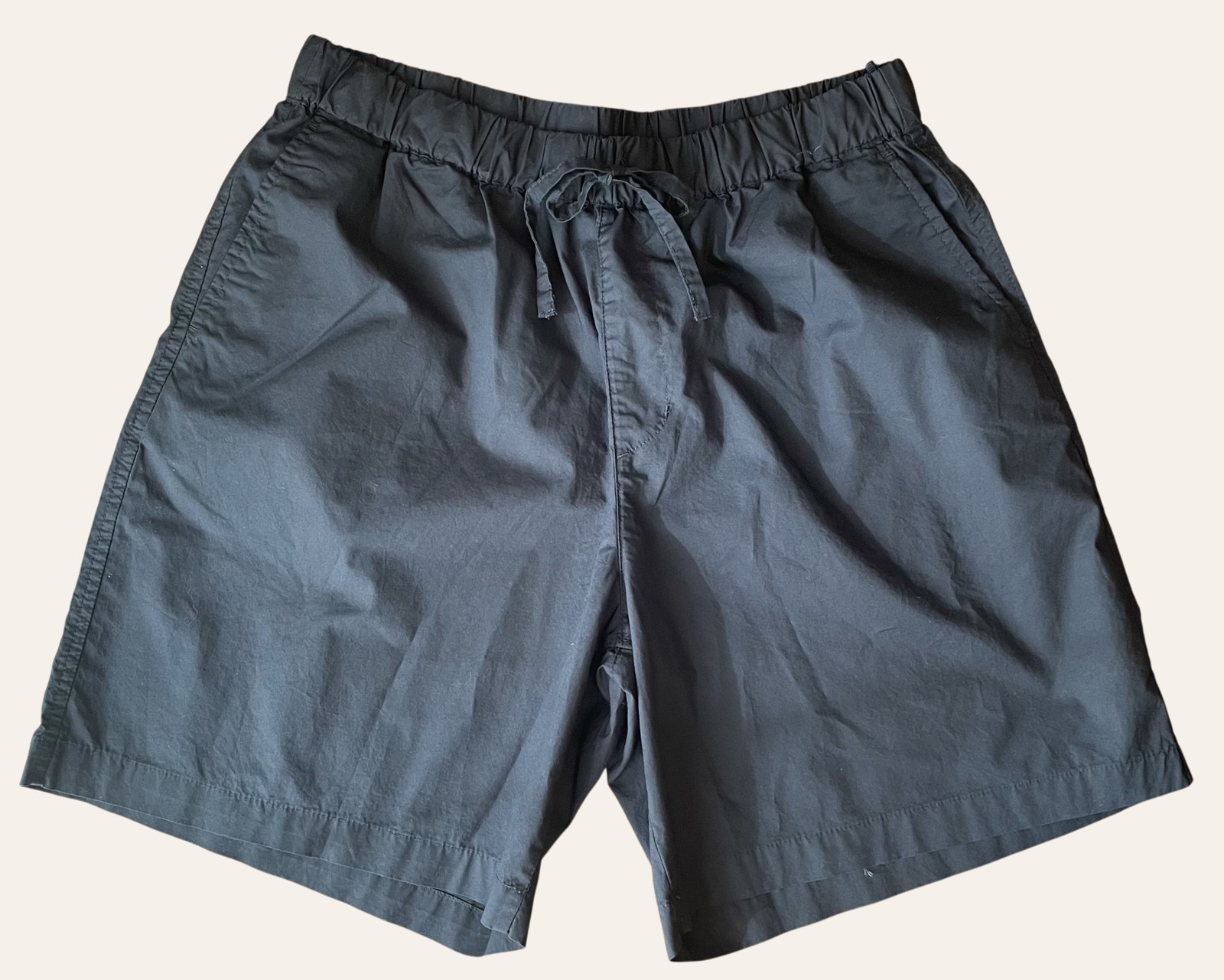 Relaxed, soft-fabric bottoms are where Muji quietly beats UNIQLO — the emphasis is on comfort and texture rather than performance.
Everything that isn’t clothing. Muji’s notebooks, storage systems, and skincare are genuinely well-regarded on their own merits, independent of the clothing comparison. If you’re building a calm, coherent home to match a calm wardrobe, this is where Muji is hard to beat — a theme we explore in Muji home and wardrobe: one consistent aesthetic.
A Quick Side-by-Side
- Base layers and performance: UNIQLO.
- Plain tees, trousers, everyday basics at the best price: UNIQLO.
- Loungewear, sleepwear, natural-fabric texture pieces: Muji.
- Structured outerwear and tailoring: UNIQLO (and its U sub-line).
- Home goods, stationery, storage, skincare: Muji.
- Character, age, and one-of-a-kind pieces: neither — that’s what secondhand is for.
Two Common Buying Mistakes
The first is buying plain basics from Muji because the aesthetic is appealing — the plain white tee, the simple socks — when UNIQLO makes those same pieces more durably for less. Pay Muji prices for texture and comfort, not for plainness you can get cheaper elsewhere. The second mistake is the reverse: reaching for UNIQLO’s more “designed” seasonal pieces expecting Muji-like softness, and being surprised when they feel more technical than cozy. Match the brand to the job — performance and plain basics from UNIQLO, soft natural-fabric texture from Muji — and you’ll rarely waste money on either.
How They Work Together in a Tokyo Mix Style Wardrobe
The honest answer is that you don’t have to choose. A practical split looks like this: UNIQLO for technical basics and structured pieces, Muji for texture pieces and loungewear, and secondhand finds for anything that needs real character.
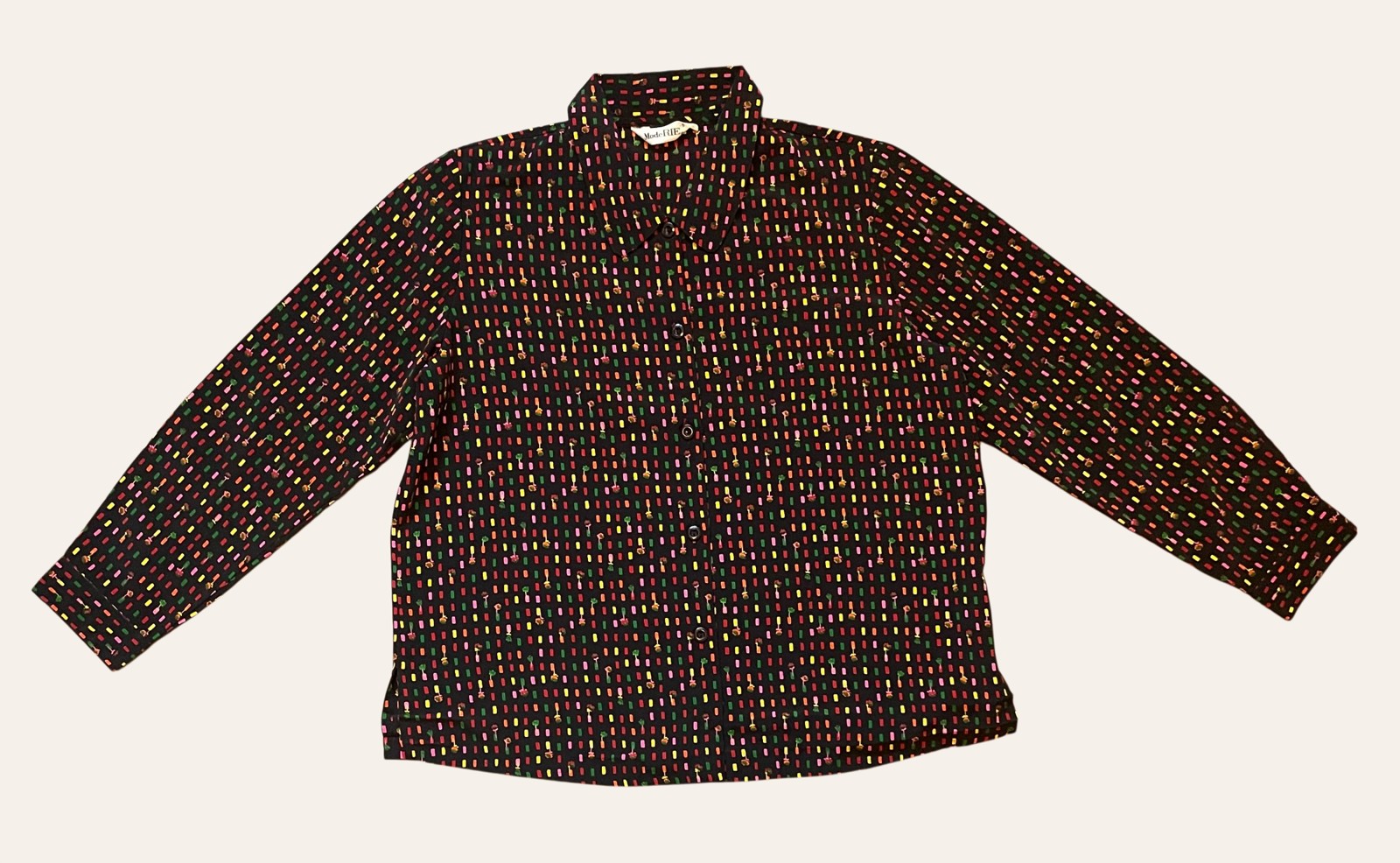 Neither brand sells this. A secondhand piece with genuine texture and age is what keeps a wardrobe of clean Japanese basics from looking like a uniform.
That mix — new Japanese basics plus old secondhand texture — is the whole idea behind Tokyo Mix Style, and in practice it’s cheaper than buying everything new from either brand.
A Simple Starting Point
If you’re starting from zero: one or two UNIQLO basics (a shirt and a trouser), one Muji loungewear piece, and one secondhand item with visible texture or age. That’s enough to see how the mix works before committing further — and it stops you from over-buying from a single brand just because it’s the one you know. From there, our Tokyo capsule wardrobe on a budget guide shows how to grow it deliberately.
This post may contain affiliate links.