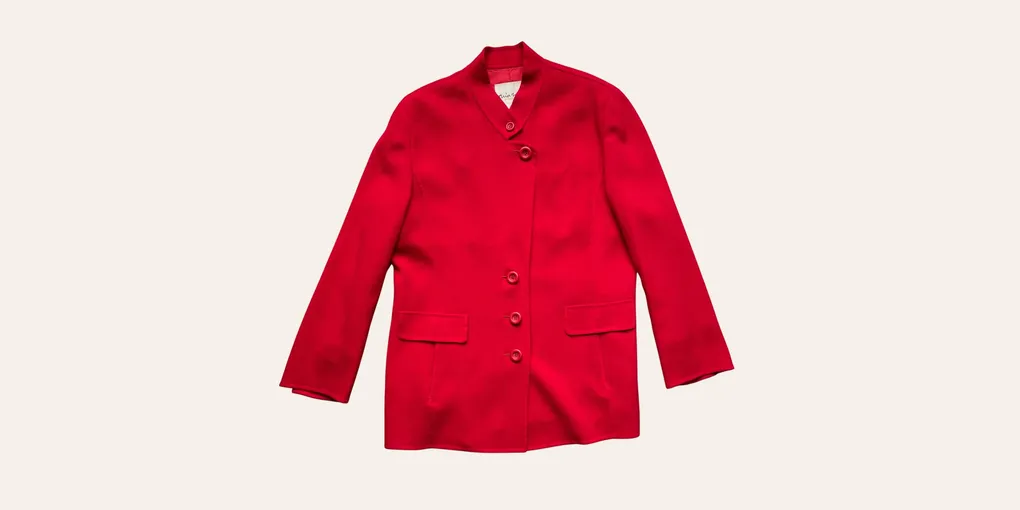
10-Piece Japanese Minimalist Wardrobe
Japanese minimalist dressing isn’t really about owning less for its own sake — it’s about owning fewer things that all work together. Ten pieces, chosen well, can cover most of a season if the colors and proportions are deliberate from the start. This is the version we come back to most often, and below is the exact logic behind each choice.
The Color Rule First
Before picking pieces, pick a palette: one neutral base (off-white, stone, or charcoal), one mid-tone (olive, navy, or taupe), and one accent you actually wear often. Everything below should fit inside that palette, or the “mix and match” part falls apart fast.
The reason this comes first is mathematical, not aesthetic. If all ten pieces share a palette, almost any top works with almost any bottom, so ten items generate dozens of outfits. Introduce two colors that don’t talk to each other and you’ve quietly cut your usable combinations in half.
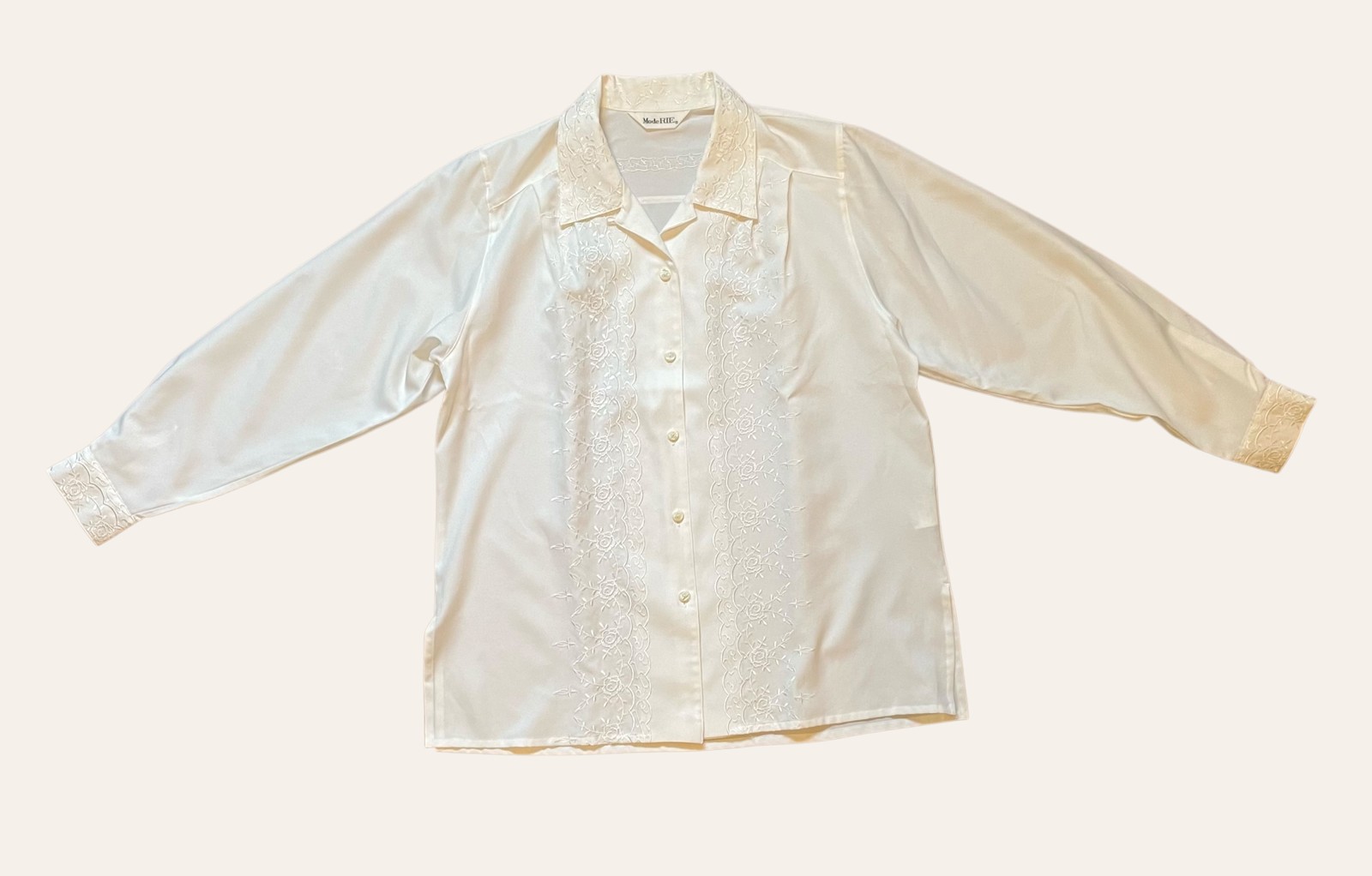 Start the palette with a clean off-white top. It’s the piece the other nine will be measured against, so it does more work than anything flashier.
The 10 Pieces
- A structured white or off-white shirt
- A relaxed knit or cardigan in your mid-tone
- A pair of wide-leg trousers (UNIQLO’s wide-leg cuts work well here)
- A pair of straight-leg or slim trousers for contrast
- A simple slip dress or shirt dress
- A long-sleeve top in a soft jersey
- A tank or short-sleeve layering top
- A structured outer layer — blazer or trench
- A secondhand denim or wool jacket as your texture piece
- A secondhand bag or belt in worn leather
If you’re starting from zero, see our breakdown of building a Tokyo capsule wardrobe on a budget for the order to buy these in.
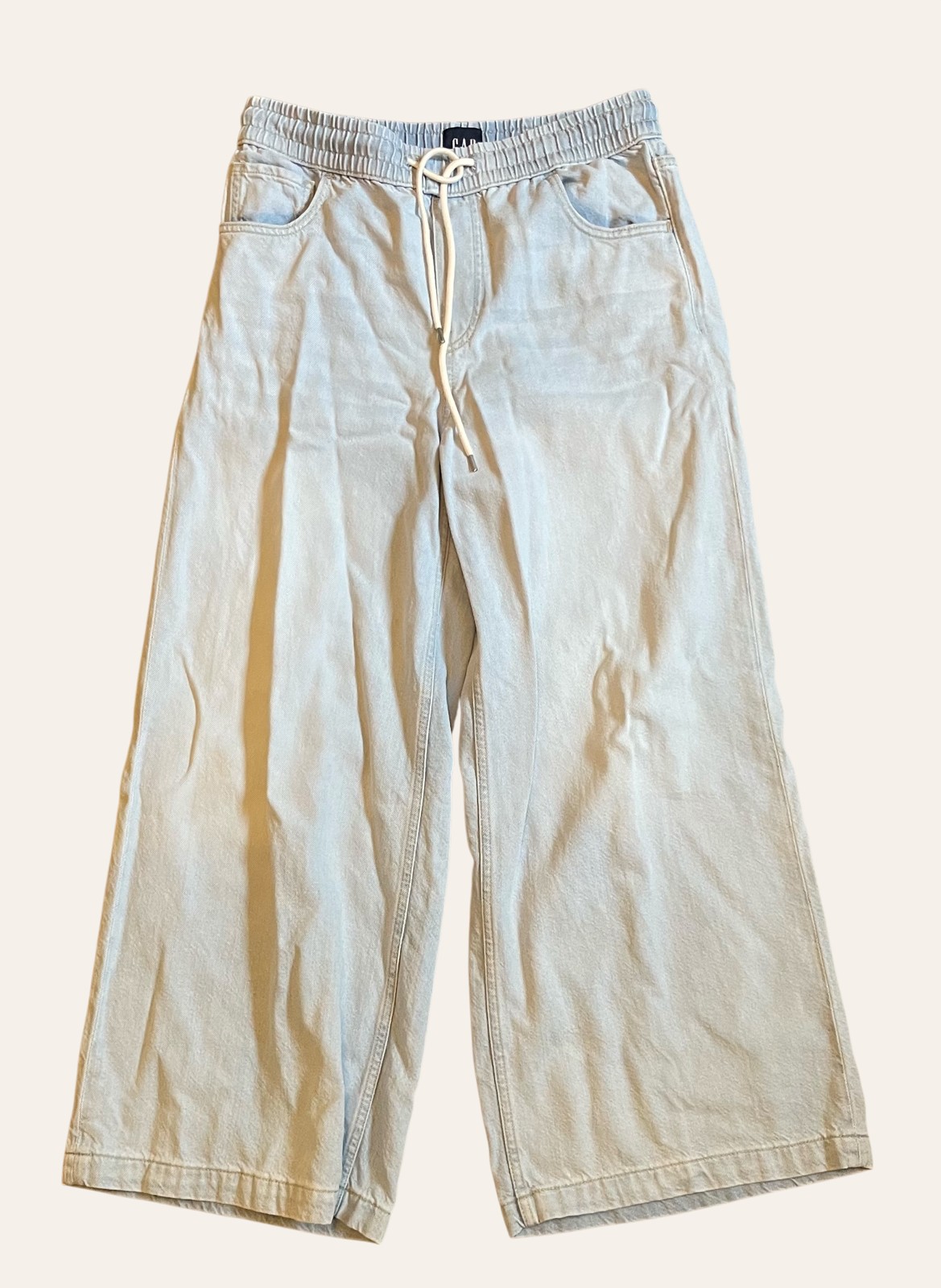 Wide-leg trousers in a neutral tone are the workhorse of the list — dressed down with a tee, dressed up with the blazer, worn on repeat either way.
Why Fit and Fabric Beat the Item Count
The list above is a guide, not a rulebook. What actually makes a ten-piece wardrobe work is that each piece fits well and is made of fabric that holds up — a well-cut trouser in a durable weave earns its slot for years, while a poorly-fitting one sits unworn no matter how “essential” the category is. When in doubt, buy fewer pieces of better quality rather than filling all ten slots quickly with whatever’s on sale.
Why Only One or Two Secondhand “Texture” Pieces
It’s tempting to load up on vintage pieces early, but one or two well-chosen secondhand items do more visual work than five. A single worn denim jacket or a leather bag with real patina reads as intentional. Five competing vintage pieces in one outfit starts to look like a costume rather than a wardrobe.
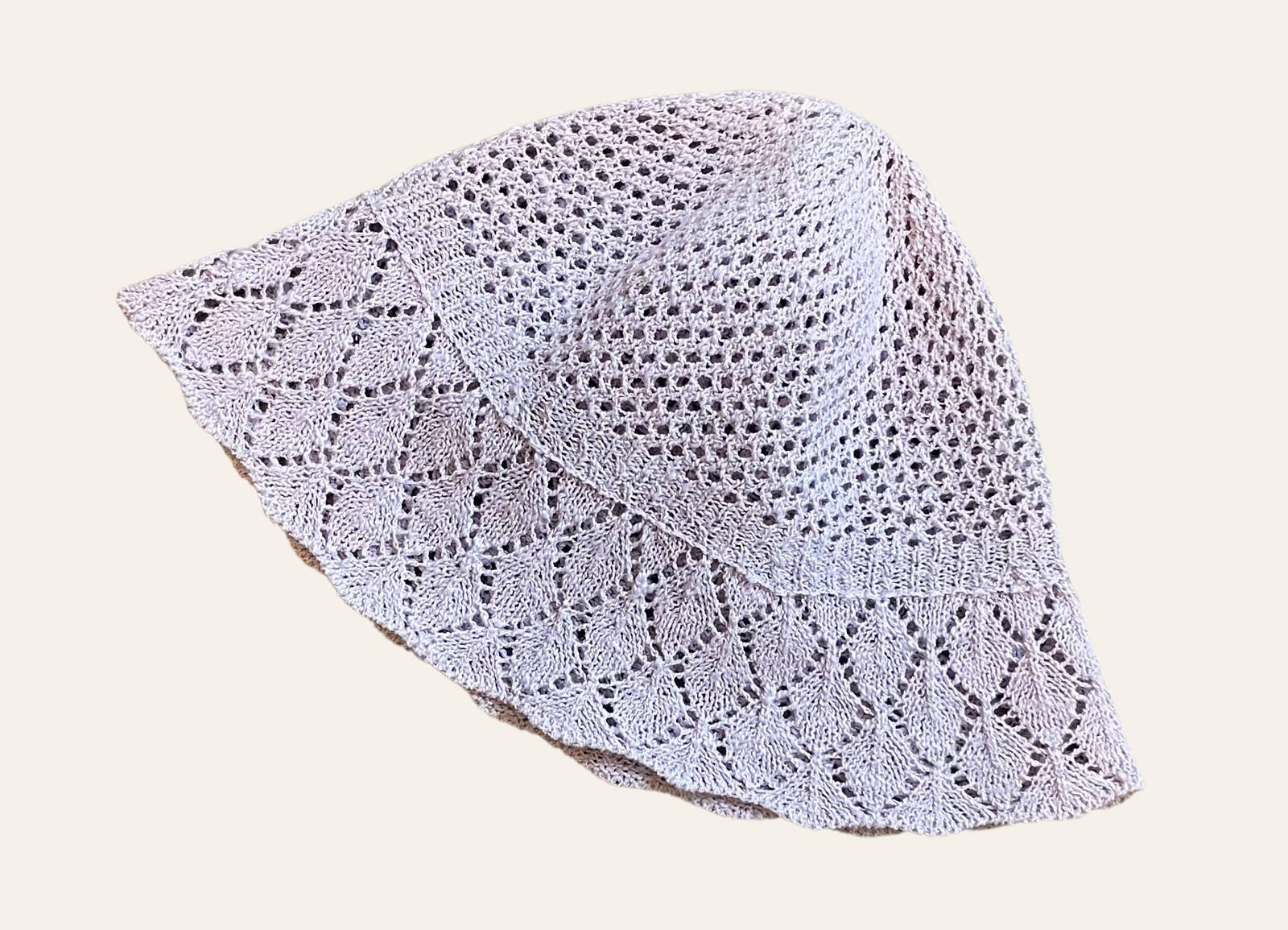 One textured secondhand piece is what keeps the other nine clean basics from reading as a uniform. It’s usually the cheapest slot and the one that adds the most character.
A Sample Week
- Shirt + wide-leg trousers + loafers (office)
- Knit + slim trousers + secondhand jacket (errands)
- Slip dress + cardigan + flat sandals (weekend)
- Tank + wide-leg trousers + structured blazer (dinner)
Notice that only the layering pieces change — the trousers and shirt repeat. That repetition is the actual mechanism behind “minimalist,” not a strict item count. A wardrobe like this stops feeling repetitive precisely because the pieces are neutral enough that no one clocks the same trouser twice in a week.
Where UNIQLO and Muji Fit
Both brands are reliable for items 1–7 above because their basics are cut consistently season to season, which makes color-matching easier over time. See our UNIQLO basics guide and our Muji vs UNIQLO comparison if you’re deciding where to start — and our guide to finding Japanese vintage for the two secondhand pieces that finish the set.
This post may contain affiliate links.