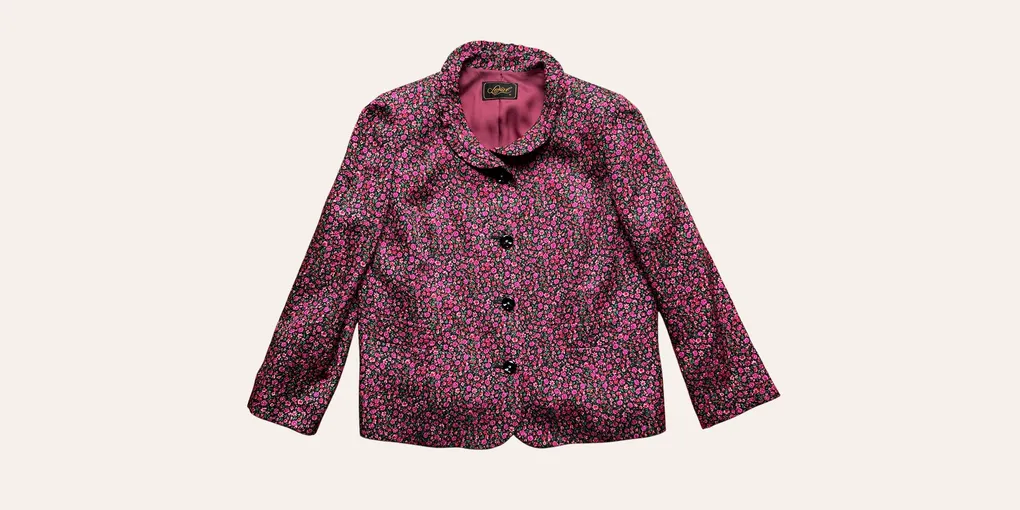
The Tokyo Street Style Aesthetic Explained
“Tokyo street style” gets used as a catch-all term, but the version that’s most influential outside Japan right now — and the one Tokyo Mix Style is built around — isn’t the maximalist Harajuku look most people picture first. It’s a quieter, neutral-toned style built on proportion and texture rather than color or logos. Once you can see the rules behind it, it becomes surprisingly easy to recreate with pieces you already own.
Neutral, Restrained Color
The base palette is usually off-white, stone, charcoal, navy, and olive, with maybe one muted accent. Bright color and branding are mostly avoided — the visual interest comes from fabric texture and silhouette instead of color contrast.
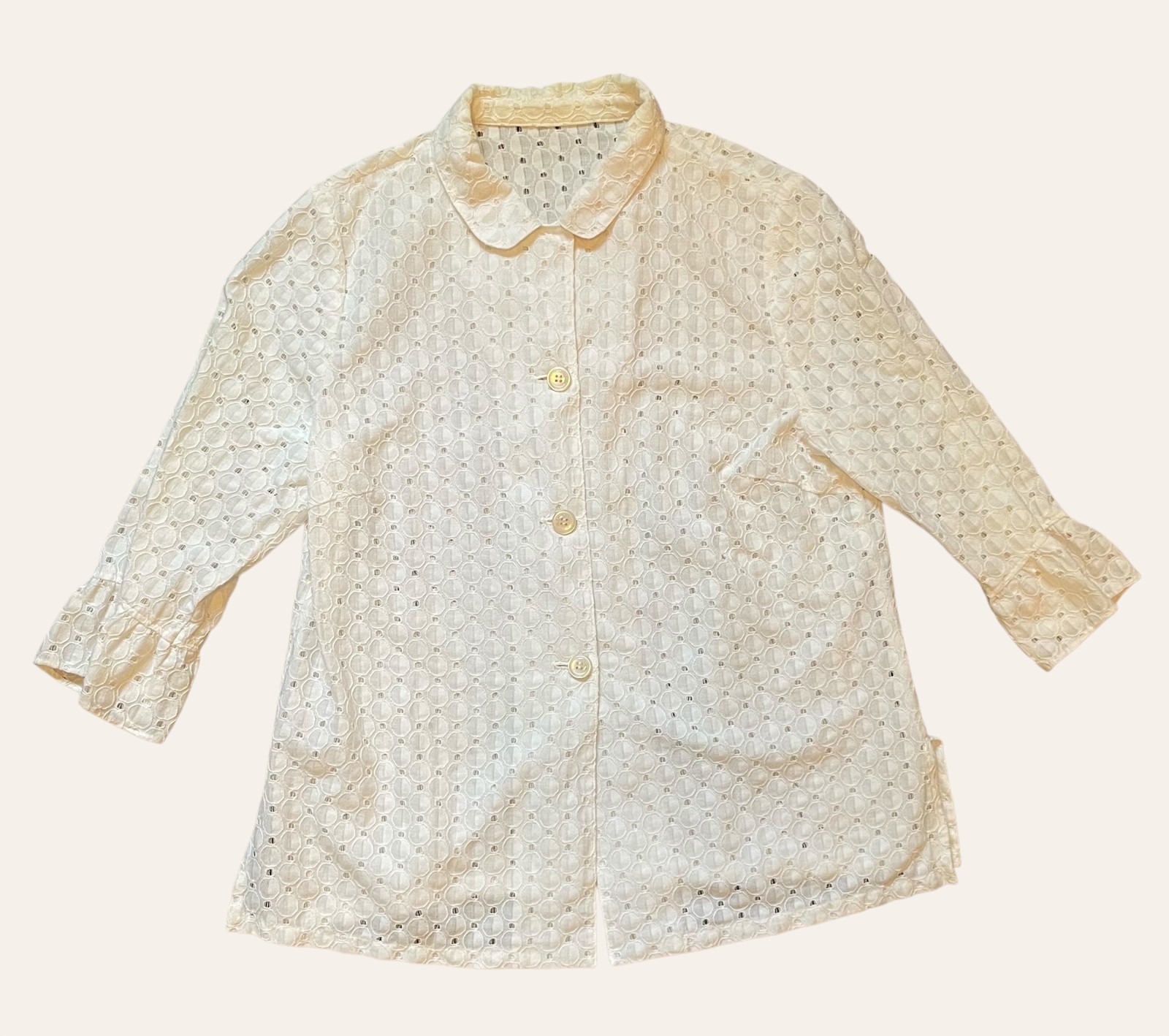 A restrained, neutral top like this is the foundation. The look never starts with color — it starts with a quiet base and lets texture do the talking.
Proportion Play
A signature move is pairing an oversized top with a slimmer bottom, or the reverse — never both oversized, never both fitted. This single rule does more to create a “styled” silhouette than any individual piece does. We use this exact principle throughout our UNIQLO styling and capsule wardrobe guides.
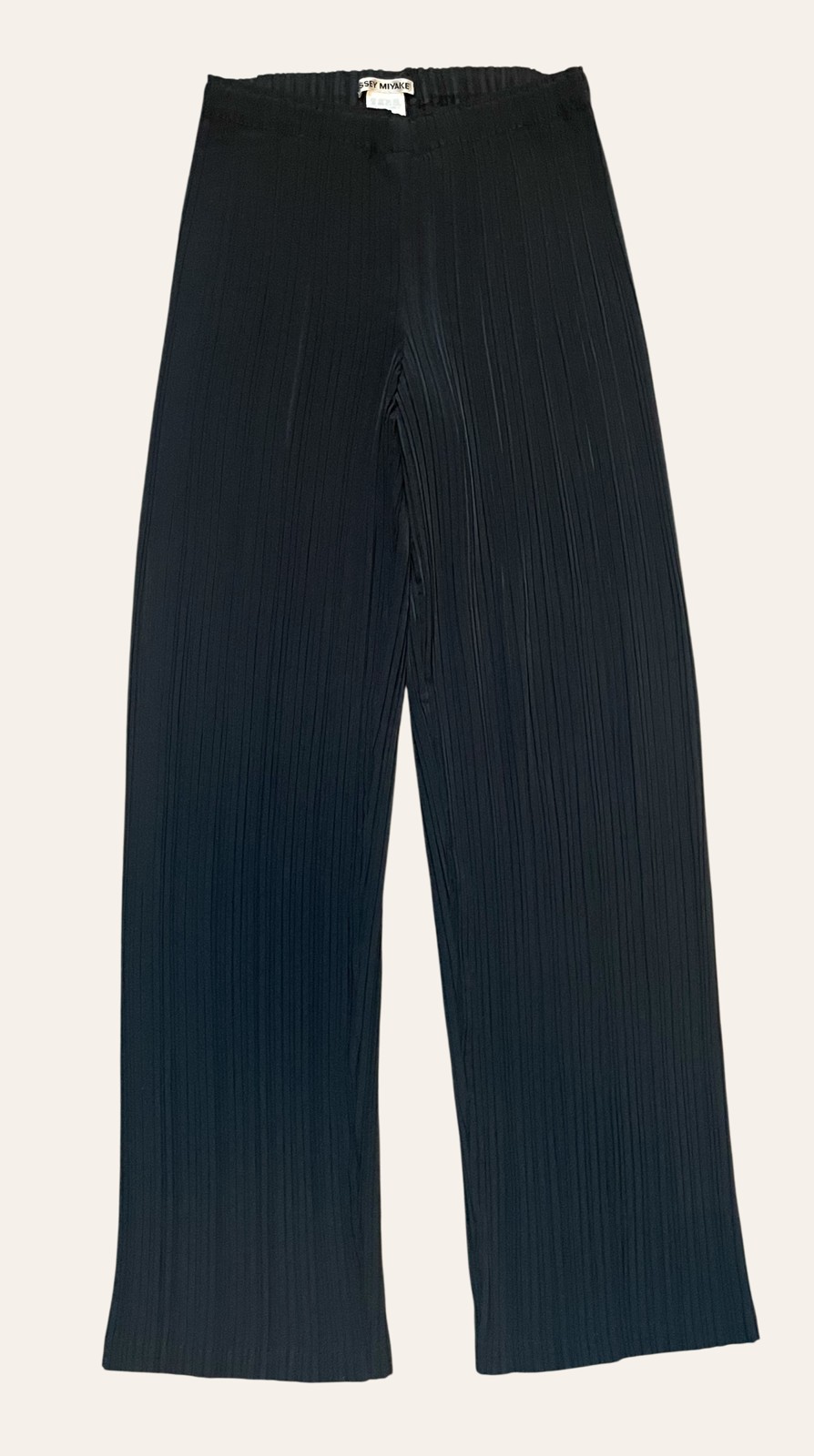 Wide, relaxed trousers set up the proportion contrast: pair them with a fitted top, and the outfit reads as deliberate without a single loud piece.
In practice, this is the fastest fix for an outfit that feels “off.” If something looks flat, it’s usually because the top and bottom are the same volume. Change one of them and the whole silhouette snaps into focus.
New Basics, Worn Accents
Crisp, clean basics (often from UNIQLO or Muji) are deliberately paired with one or two pieces that show age or wear — a vintage jacket, worn boots, a faded bag. This isn’t an accident or a budget compromise; it’s the actual aesthetic. See our guide to mixing vintage with UNIQLO for specific combinations.
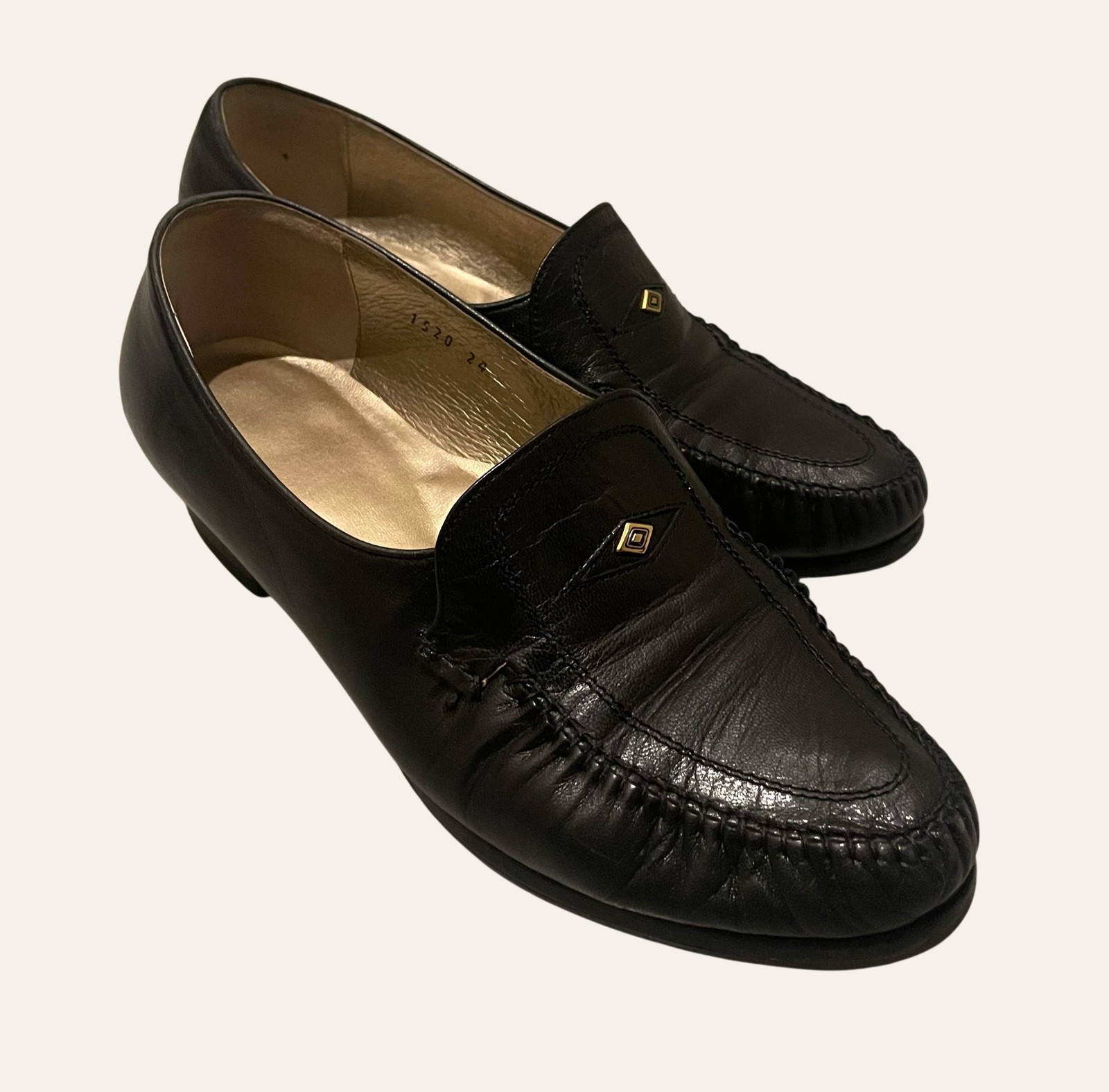 A single worn accent — here, secondhand leather loafers — is what stops a clean outfit from looking sterile. The wear is the point, not a flaw to hide.
Function Over Decoration
Workwear details — utility pockets, drawstrings, structured collars — show up often, even on otherwise minimal pieces, because the aesthetic draws on Japanese workwear and military surplus history. This is part of why Japanese vintage outerwear in particular tends to fit so naturally into the look; see our beginner’s guide to Japanese vintage if you want to start sourcing pieces like this.
How to Build the Look Yourself
If you want to put this into practice, start with three things: a neutral base you already own, one deliberate proportion contrast, and exactly one worn accent. That’s the whole formula. Add more worn pieces only when the base is solid — the mistake beginners make is reaching for character first and ending up with an outfit that has no quiet ground for the character to stand against.
Why It Travels Well
This particular version of Tokyo style translates easily outside Japan because it doesn’t depend on hard-to-source pieces — most of it can be built from widely available basics plus a small number of secondhand finds, which is the entire premise behind Tokyo Mix Style. You don’t need a plane ticket or a rare label; you need a neutral base, one proportion rule, and a little patience at the thrift store.
This post may contain affiliate links.