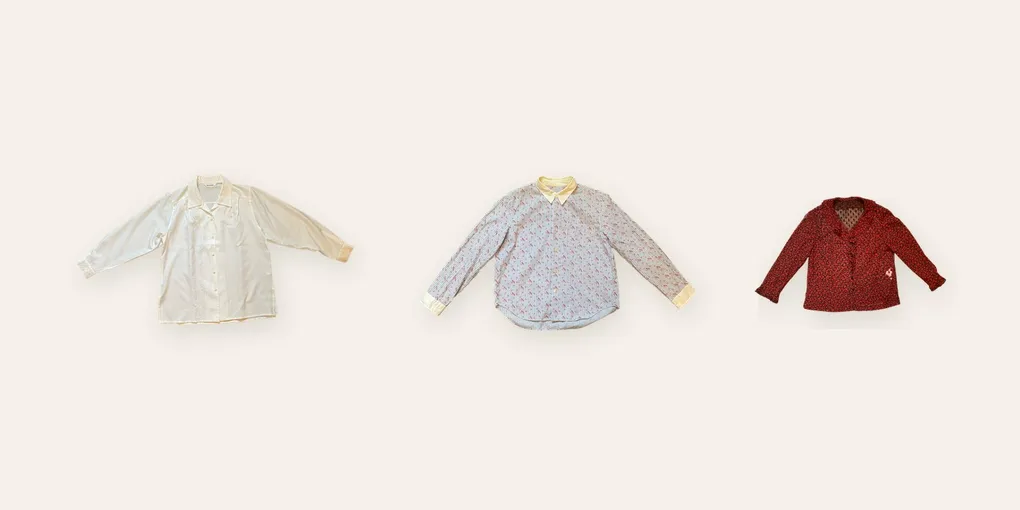
Muji Loungewear: Is It Worth the Hype?
Muji loungewear turns up on almost every “best of” list for at-home clothing, and the enthusiasm is easy to be suspicious of. Loungewear is a low-stakes category, so it’s fair to ask whether Muji is genuinely better or just quietly marketed well. Here’s an honest breakdown of where it earns the praise and where your money might be better spent elsewhere.
What People Actually Mean by “Muji Loungewear”
Muji doesn’t sell a single loungewear line so much as a scattered set of pieces that happen to work at home: brushed cotton pajama sets, French-terry sweatpants, boxy pullovers, and the well-known unstructured “relax” trousers. What ties them together is the same no-logo, quiet-design philosophy that runs through the rest of the brand. There’s nothing performance-oriented or trend-driven here, which is exactly why the pieces tend to stay in rotation for years rather than a single season.
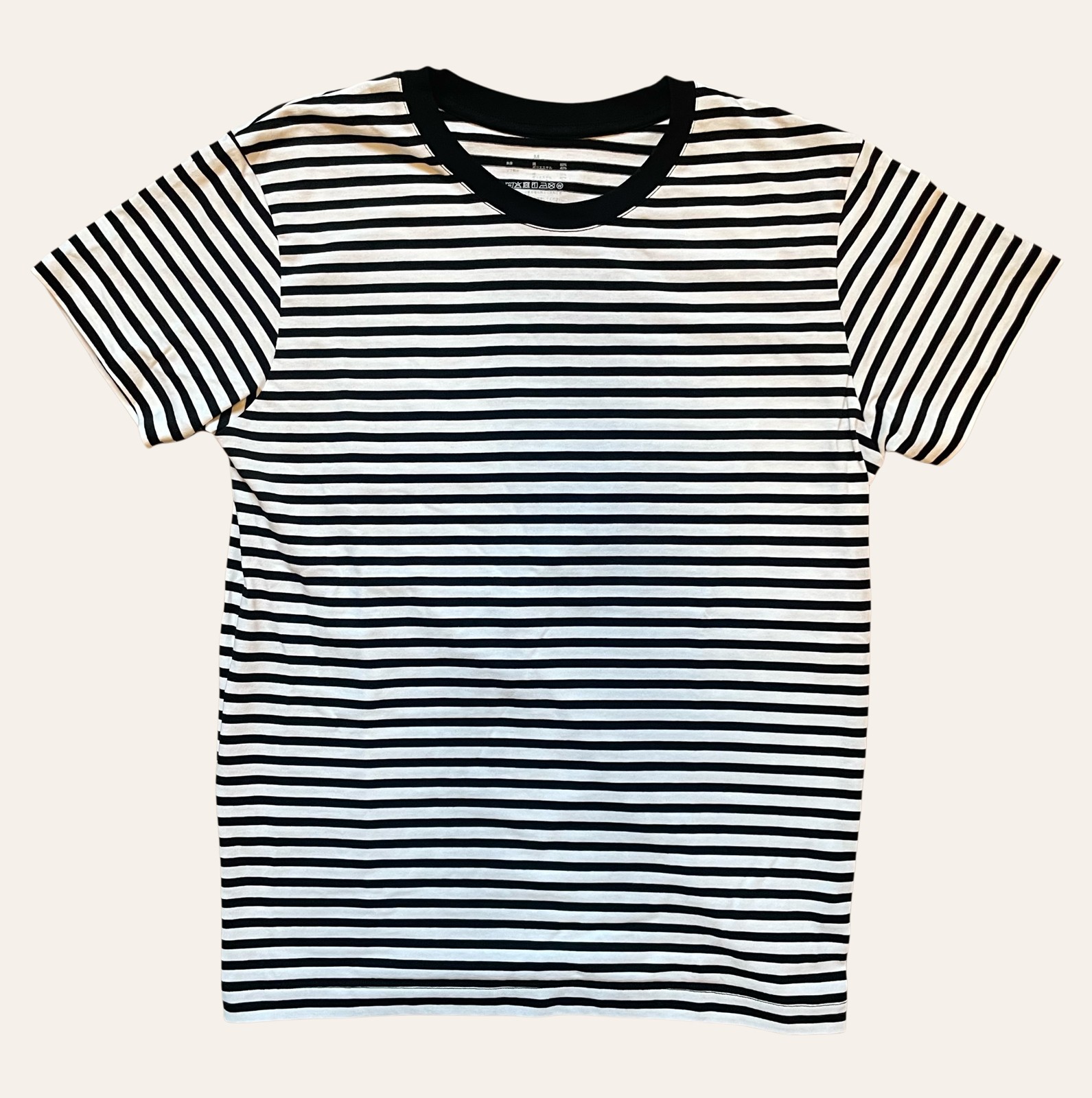 A plain, soft-cotton Muji top is the heart of the loungewear appeal — no logo, no trend, just fabric that stays comfortable wash after wash.
Where It Genuinely Delivers: The Fabric
The strongest argument for Muji loungewear is the material. The brand leans on soft, mid-weight cottons and cotton blends that feel substantial without being heavy, and they generally survive repeated washing better than the thin jersey you find at fast-fashion prices. Muji also offers organic-cotton pieces across much of its clothing range, which matters if you’re trying to buy fewer, better things. For loungewear specifically — clothing you’ll wash constantly — that durability is the difference between a two-year piece and a two-month one.
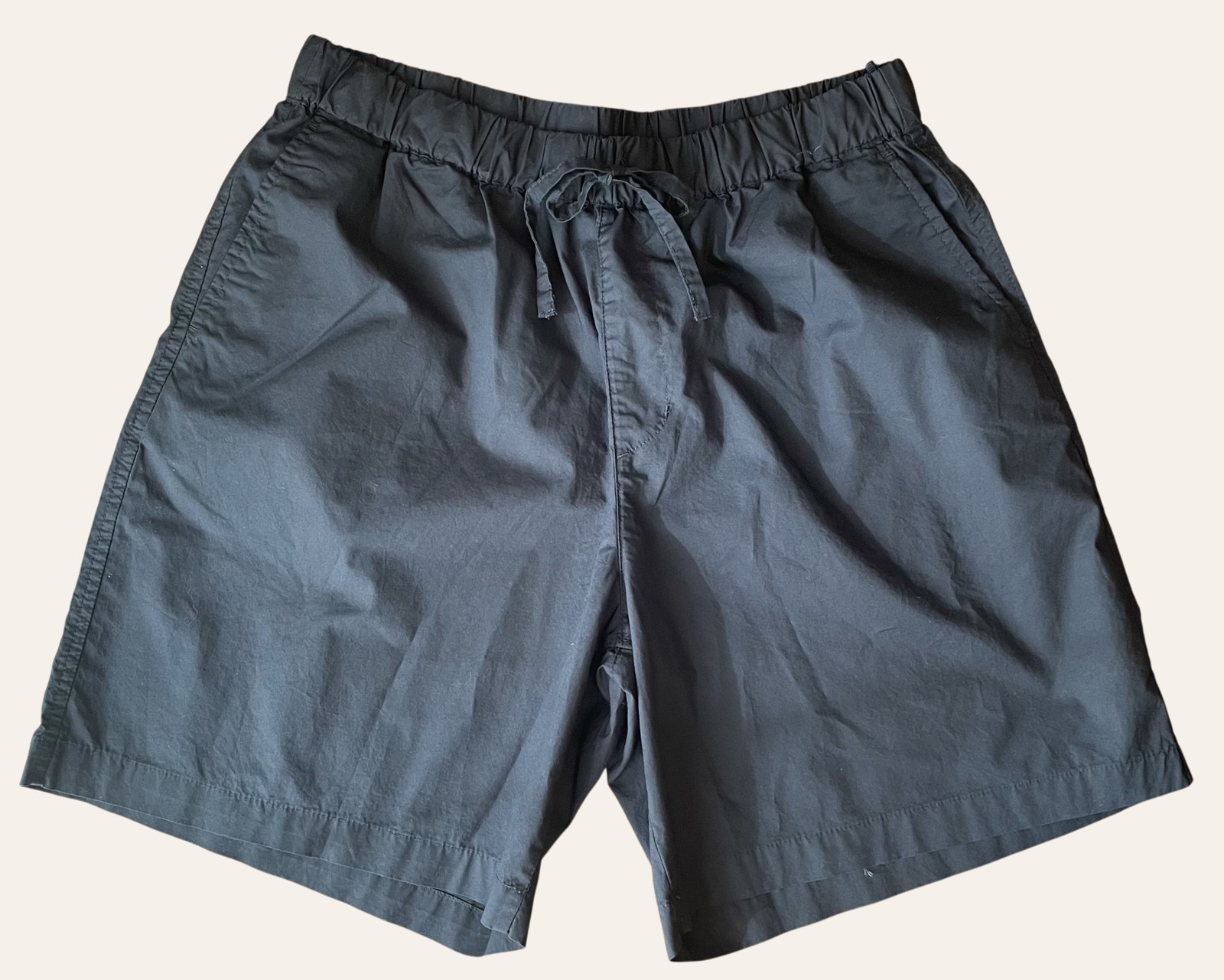 The unstructured “relax” fit in a soft, mid-weight fabric. Comfort and durability through constant washing are exactly where Muji earns the loungewear reputation.
Where the Hype Overshoots: Fit and Range
Muji’s cuts are deliberately relaxed and boxy, which reads as calm and comfortable on some bodies and shapeless on others. If you prefer a defined waist or a more tailored lounge look, this isn’t the brand for you, and no amount of fabric quality will change that. The color range is also intentionally muted — lots of ecru, grey, navy, and charcoal — so anyone wanting brighter or more varied loungewear will find the selection thin. These aren’t flaws so much as the trade-off for the brand’s consistency.
How It Compares on Price
Muji sits above true budget loungewear but below premium loungewear labels, and that middle position is where the value question gets interesting. UNIQLO is the obvious comparison, and the two brands split the category in a familiar way: UNIQLO tends to win on technical and fitted pieces, while Muji wins on texture and that softer, unstructured feel. If you’re weighing the two against each other, our Muji vs UNIQLO comparison covers how to divide a budget between them. For loungewear alone, Muji usually justifies the small premium.
How to Buy It Without Overbuying
Loungewear is the easiest category to accumulate thoughtlessly, so treat it like any other part of a considered wardrobe. Start with one set you’ll genuinely wear — a pajama set or a sweatpant-and-pullover pairing — and live with it before adding more.
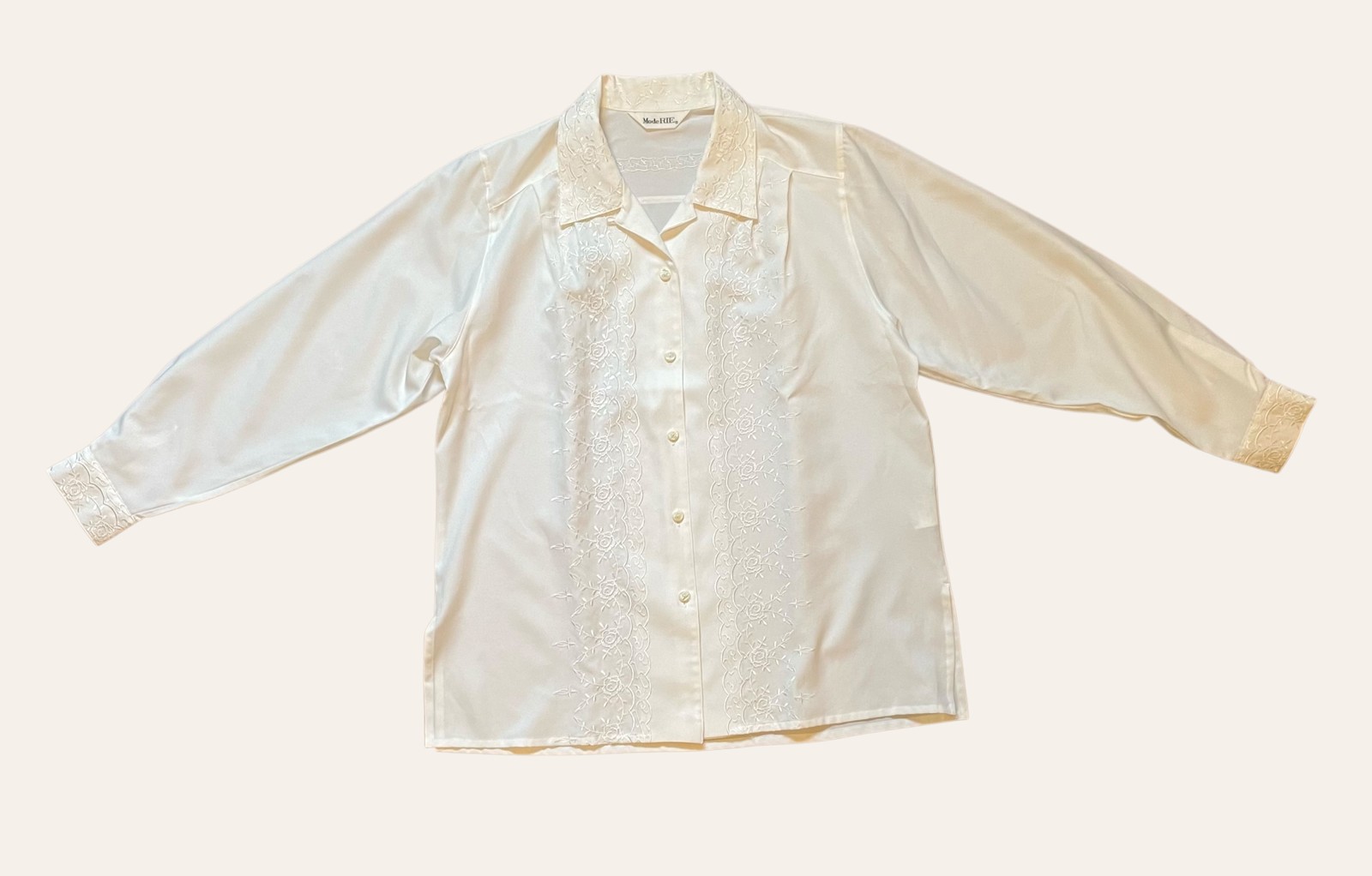 Keep the palette narrow and the pieces few. Muji loungewear coordinates almost automatically, so two quiet sets go further than a drawer full of impulse buys.
Muji pieces coordinate almost automatically because of the narrow color palette, so a small number goes a long way, the same logic behind building a Muji-inspired capsule wardrobe. Buying two quality sets you’ll wear for years is both cheaper and more sustainable than a drawer of impulse buys.
So, Is It Worth It?
For the right person, yes. If you value soft natural fabrics, a muted palette, and clothes that hold up through heavy washing, Muji loungewear is a quietly excellent buy and lives up to most of the praise. If you want structure, a defined fit, or more color, the hype won’t match your experience — and that’s worth knowing before you order. As with the rest of the brand’s minimalist range, the value comes from buying deliberately, not often.
This post may contain affiliate links.