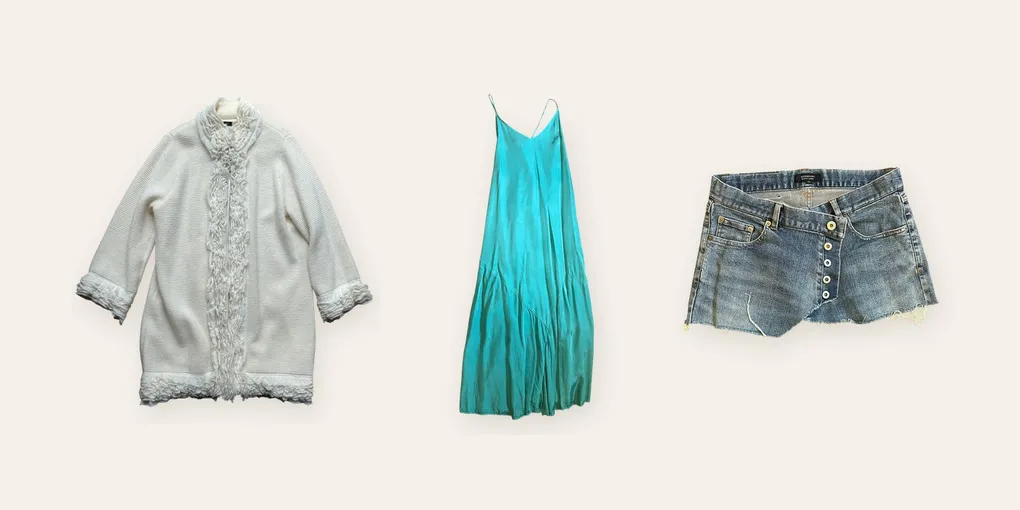
How to Resell or Donate Clothes You No Longer Wear
Every wardrobe edit ends with the same pile on the bed: things that no longer fit, no longer suit you, or never quite worked. What happens to that pile matters more than the edit itself. Sold thoughtfully or donated to the right place, those clothes keep circulating; dropped in the nearest bin without a thought, many of them quietly end up as waste.
Sort Before You Decide Where Anything Goes
Start by splitting the pile into three groups rather than treating it as one problem. The first is genuinely good condition — clean, no visible wear, still current enough that someone would happily pay for it. The second is wearable but ordinary: fine to wear, not worth the effort of listing. The third is damaged or worn through. Each group has a different destination, and mixing them is what makes decluttering feel overwhelming. It also makes donation centers’ jobs harder, since they have to sort what you didn’t.
What’s Actually Worth Reselling
Resale rewards recognizable brands, distinctive pieces, and anything in short supply. Japanese labels tend to do well here because the demand outside Japan often outstrips supply — Issey Miyake and its diffusion lines, older Muji pieces, and well-kept Japanese denim all hold value. So do current-season UNIQLO collaborations, which sell out quickly and then reappear on resale platforms at a premium. Plain basics, on the other hand, rarely earn back the time it takes to photograph and list them. If a piece would sell for less than about twenty dollars, donating it is usually the better use of your afternoon.
Choosing Between Platforms and Consignment
Peer-to-peer marketplaces like Poshmark, Depop, eBay, and Mercari give you the highest price but hand you all the work: photos, descriptions, messages, shipping. Consignment services take a much larger cut and are slower, but you send a box and they handle everything else. Local options — a neighborhood consignment shop, a secondhand store that buys outright, a community swap — trade some money for speed and no shipping. There’s no universally right answer; it depends on whether your scarce resource is time or money. Many people end up listing their five best pieces themselves and passing the rest along in bulk.
Making a Listing That Sells
Good photographs do most of the work. Shoot in daylight against a plain background, include the front, back, any label or tag, and an honest close-up of any flaw. Measure the garment flat and list the actual measurements, because sizing varies enormously between Japanese and North American labels and buyers can’t try anything on. In the description, name the brand, material, and condition plainly, and mention how the piece fits and what it works with — the same styling thinking that goes into a capsule wardrobe helps a buyer picture wearing it.
Donating So the Clothes Are Actually Used
Not everything donated gets worn, so a little care helps. Wash and fold what you give, and skip anything stained or torn — those items cost charities money to dispose of. Call ahead if you can, since shelters, refugee support groups, and job-readiness programs often need specific things like coats, work-appropriate clothing, or basics in common sizes, and a targeted donation is far more useful than a generic bag. For textiles genuinely past wearing, look for a dedicated textile recycling drop-off rather than the donation bin.
Keeping the Pile Small Next Time
The most useful lesson from a resale session is which purchases you never wore. Noticing the pattern — the color you avoid, the silhouette that never felt right — is what stops the same pile from forming again next year. Buying less but better, and caring for what you own so it stays worth passing on, does more than any single decluttering weekend. Our other sustainable tips cover the rest of that habit.
This post may contain affiliate links.