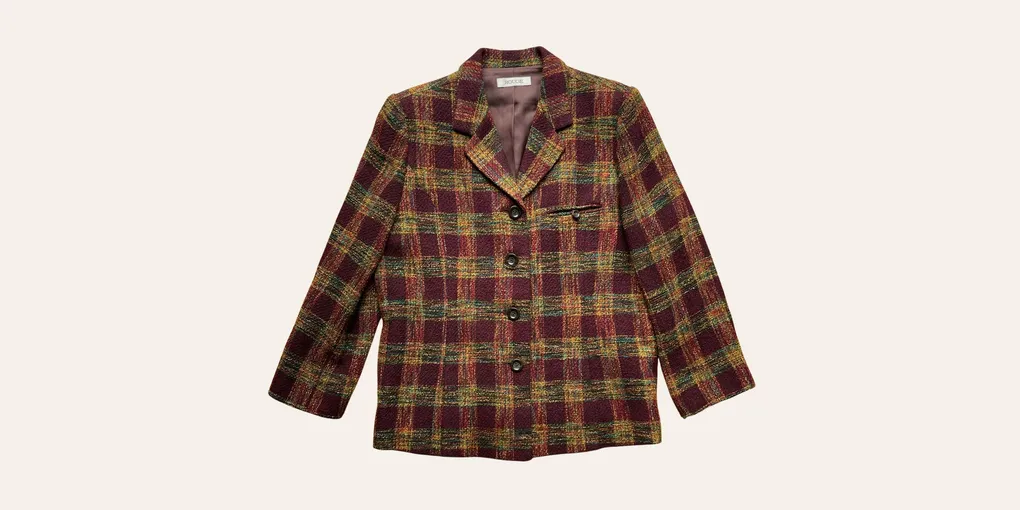
How to Build a Tokyo Capsule Wardrobe on a Budget
A “Tokyo capsule wardrobe” doesn’t mean buying head-to-toe Japanese brands. It means a small, deliberate mix of clean, well-made basics — often from UNIQLO or Muji — combined with secondhand pieces that bring in texture, color, or a sense of history. The result is a wardrobe that looks more expensive than it is, and one you can build gradually without much budget at all. Here’s the exact order we’d build it in, and why.
Step 1: Start With Three Neutral Basics
Pick one top, one bottom, and one layering piece, all in colors that work together — think stone, off-white, charcoal, and olive. These should come from a brand with consistent fabric quality; UNIQLO is a reasonable default here. See our UNIQLO basics guide if you need a specific starting list.
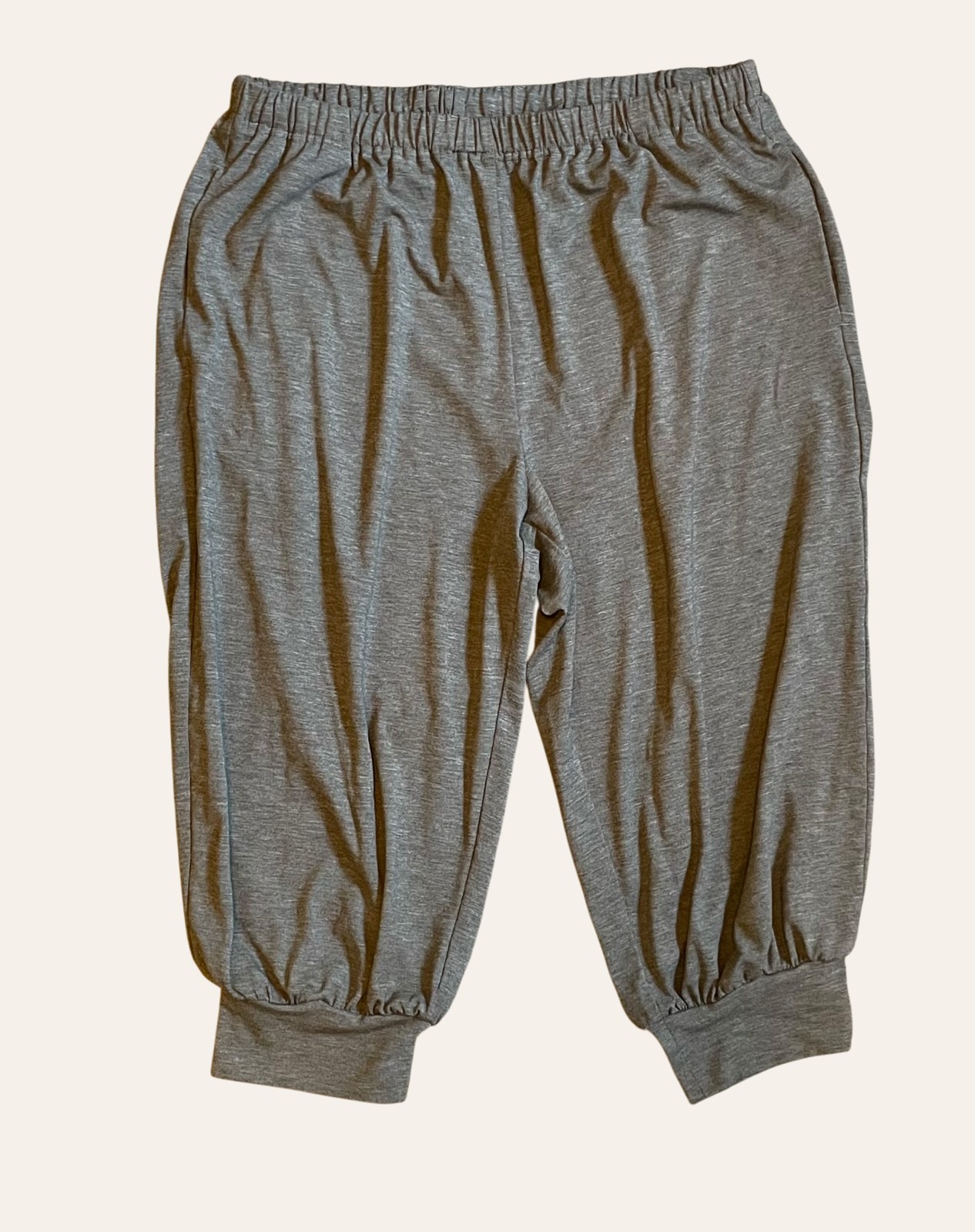 Start with quiet, neutral bottoms in a color that pairs with everything. This is the least exciting purchase and the one that does the most work.
The reason to begin with neutrals is simple: every neutral piece multiplies the outfits you can make from the rest of the wardrobe. Three coordinated basics already give you several combinations before you’ve added a single statement piece.
Step 2: Add One Secondhand “Anchor” Piece
This is the piece that gives the wardrobe its character — a worn denim jacket, a vintage wool coat, an aged leather bag, or a faded graphic tee. Thrift stores, secondhand apps, and vintage shops are the best sources. Look for natural wear rather than damage: fading and softness read as intentional; holes and stains generally don’t.
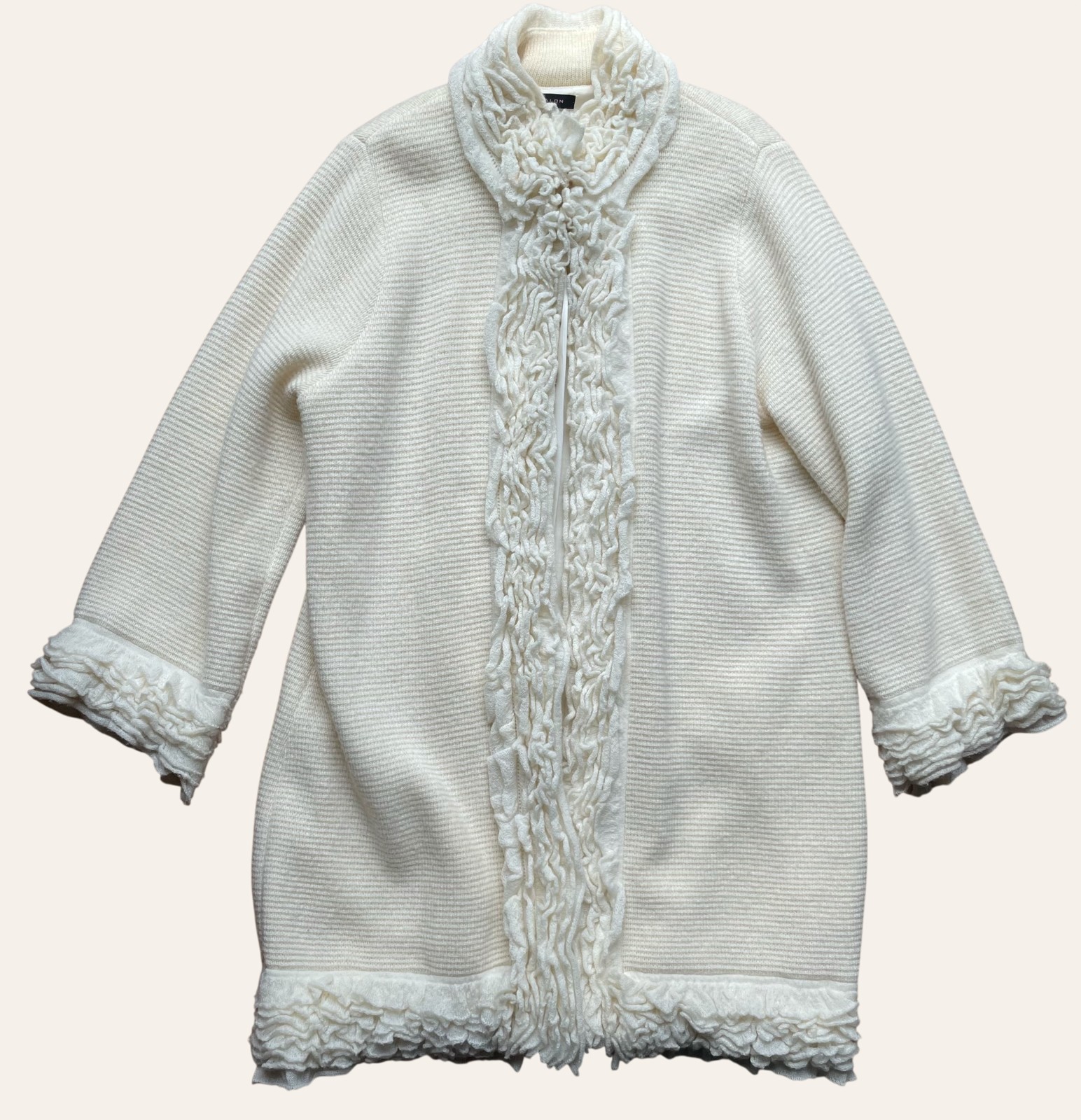 One secondhand outer layer is usually the piece people compliment first. Age and texture are exactly what new clothing can’t fake.
You only need one anchor to start. Its job is to keep the neutral base from reading as a plain uniform — and because you’re buying it secondhand, it’s usually the cheapest character in the whole wardrobe. If you want help judging what’s worth buying, our guide to finding Japanese vintage covers what to look for.
Step 3: Build Out to 10 Pieces
A workable 10-piece capsule looks roughly like this:
- 2 tops (one fitted, one relaxed)
- 2 bottoms (one trouser, one denim or skirt)
- 1 dress or jumpsuit (optional, but useful)
- 2 layering pieces (a shirt and a knit or cardigan)
- 1 outer layer (jacket or coat)
- 1–2 secondhand anchor pieces
The new pieces give you a consistent base; the secondhand pieces keep it from looking like a uniform. Our 10-piece Japanese minimalist wardrobe breaks down a specific version of this list if you’d rather copy a template than build from scratch.
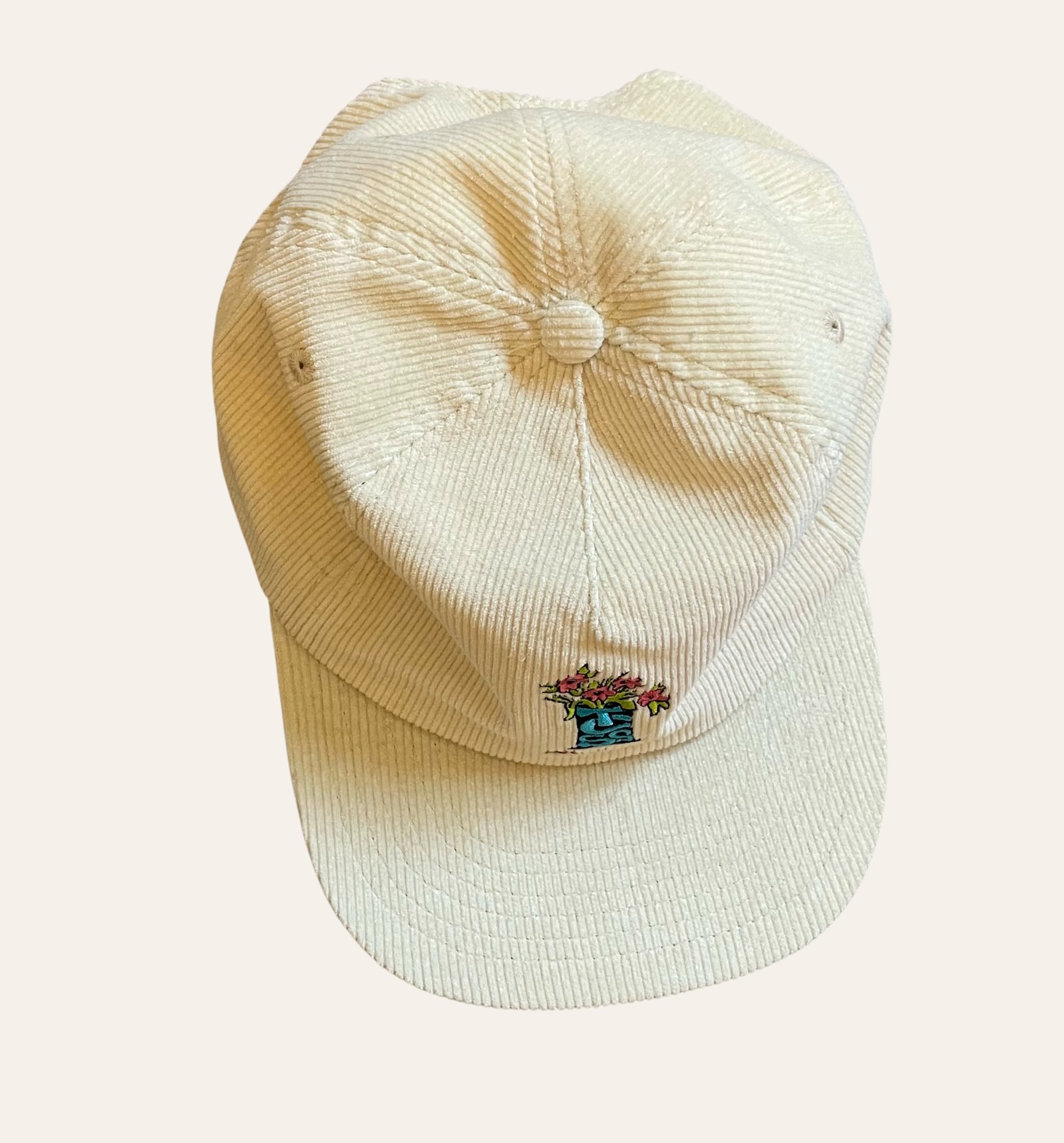 Small secondhand accessories — a cap, a bag, a belt — are the cheapest way to add personality once the core ten pieces are in place.
Step 4: Buy Slowly, in This Order
- Bottoms first — they’re harder to thrift in the right fit, so it’s worth buying these new where fit matters most.
- Layering pieces second — these extend the life of your tops across more weather, which is where a small wardrobe earns its keep.
- Secondhand anchors last, and only when you find something genuinely good. There’s no rush here; the right vintage piece is worth waiting for, and forcing it usually means settling.
Spreading purchases out this way also spreads the cost, so a full capsule never has to land as one expensive shopping trip.
What to Skip (and Save Toward Instead)
The fastest way to blow a capsule budget is buying trend pieces that only work in one outfit — a single-use color, a very specific silhouette, or anything you can wear just one way. That’s the opposite of what a capsule is for. Skip those and put the money toward a slightly better neutral you’ll wear a hundred times. It’s also worth skipping “filler” purchases made only to hit a piece count: an empty slot is better than a wrong piece, and the right secondhand find is usually just a few weeks of patience away. Every purchase you don’t make on autopilot is budget kept for the pieces that actually earn their place.
Why This Approach Is Actually Cheaper
Buying ten new pieces from a single brand usually costs more than buying six or seven well-chosen basics and filling the rest secondhand. The secondhand pieces also tend to be the ones people compliment first — texture and age are hard to fake in new clothing, so you get the most visual payoff from the cheapest part of the wardrobe.
There’s a maintenance angle too: a smaller wardrobe of better pieces is easier to look after, and looking after clothes well is what keeps this whole approach affordable over time. Our guide on caring for clothes so they last longer covers the habits that stretch each piece further.
A Note on Sustainability
Every secondhand piece you buy instead of a new one is one less item produced. That’s the practical version of “sustainable fashion” this wardrobe approach is built around — not a slogan, just fewer new garments needed per outfit. Build slowly, buy less, and let the secondhand pieces do the work of making it feel like yours.
This post may contain affiliate links.